


AirMD, an independent environmental testing company established in 2007, provides commercial mold assessment services across Florida for property managers, insurance carriers, and commercial building owners. We do not perform remediation. When a mold claim reaches the desk where money is decided, an adjuster’s, an attorney’s, a buyer’s engineer’s, the report has to answer for itself, because the people reading it were not in the building. Its weight was set before any of them opened it, by who wrote it and whether that firm had anything to gain from the finding.
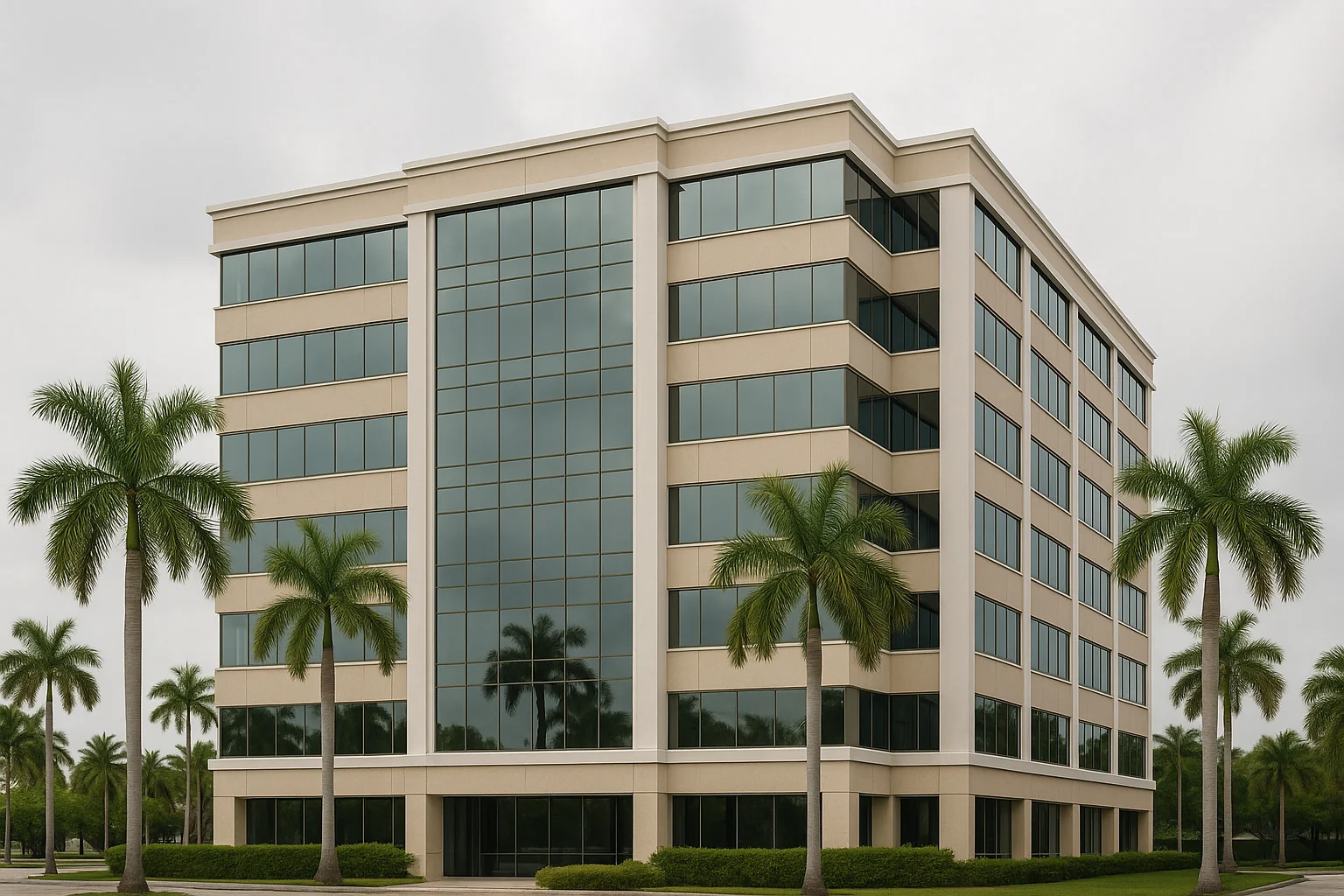
What a defensible commercial mold assessment actually establishes
A commercial mold assessment is a documented measurement of what is in a building’s air and materials on a specific date, produced by a licensed assessor and an accredited laboratory, and written so that someone who was never on site can rely on it. That last part is what separates a report that holds up from a report that gets challenged. An adjuster deciding a claim, an attorney preparing for deposition, a buyer’s environmental consultant reviewing a transaction: none of them watched the samples get taken. The document has to carry the credibility on its own.
Independence is the whole value here. AirMD assesses and tests. It does not remediate, and by Florida law it cannot remediate the same property it assessed. That separation is required by statute, not chosen by the firm, and it is the reason the company measuring the air has no financial interest in what the measurement says. That disinterest is exactly what makes a report survive scrutiny.
The report is the deliverable. Everything AirMD is paid to do ends when the findings, the lab data, and the assessor’s credentials are in the file. Nothing downstream depends on the result reading one way or the other.
The six things that decide whether a mold report holds up
When a mold report is put under pressure, whether by an adjuster looking for a reason to deny, an opposing expert in litigation, or a buyer’s consultant, the same handful of elements decide whether it survives. A report that has them is difficult to dislodge. A report missing any one of them gives the other side a place to push.
- A defined scope and date. What was assessed, when, and why. A report that does not state its own boundaries invites the argument that it missed something outside them.
- The assessor’s license. A Florida Mold Related Services Assessor (MRSA) license number on the report, tying the findings to a person the state holds accountable.
- A documented methodology. How and where samples were taken, and the outdoor control sample that gives the indoor readings meaning.
- Accredited laboratory analysis. Results from an accredited lab that names its method, not a field reading or a guess.
- An unbroken chain of custody. A record showing each sample went from the site to the lab without a gap, so the results cannot be tied to the wrong building or a mishandled slide.
- Conclusions tied to the data, with limits stated. Findings that follow from the numbers, and an honest statement of what the assessment did not cover.
The One-Question Test
Before a report goes into a claim file, ask one question of it: could the firm that wrote this have made more money if the result had come out differently? If the answer is yes, the other side will ask it too. An independent assessor is the only author for whom the answer is always no.
Why Florida’s twelve-month bar is what makes the report defensible
The short answer is this: Florida law keeps the company that assesses a building’s mold structurally apart from the company that removes it, and that legal separation is the reason an assessment, and especially a post-cleanup clearance, can be trusted by a third party.
The Twelve-Month Bar
Florida licenses mold assessors under Chapter 468, Part XVI. Florida Statute 468.8414 requires a licensed mold assessor to perform the assessment. Florida Statute 468.8419 adds the twelve-month bar: a firm that assesses a property generally cannot also remediate that same property, and a firm that remediated a property cannot then assess its own work, within a twelve-month window. That is a licensing rule with a statute number attached, not a courtesy the industry extends.
For a commercial owner or a carrier, that statute does a specific job. It means the assessor who tells you a building is clean after remediation is legally barred from having done the remediation. The clearance is not the remediator grading its own homework. When a claim is contested, that structural fact is worth more than any assurance a single vendor could offer, because it does not rest on trust. It rests on the license.
The conflict model versus the independent model
A commercial mold report is not paperwork. It is evidence, and evidence is only as good as the disinterest of the person who produced it. That is why the business model behind the report matters as much as the method inside it.
Consider who is paying, and for what. A firm that both tests and remediates earns its money on the removal, so the test becomes the lead: the incentive runs toward finding a problem large enough to justify a scope of work. Pointed the other way, a vendor with a standing relationship to protect on one side of a claim has a reason to read the same slide conservatively. Both are conflicts. They simply point in opposite directions. An independent assessor is paid the same fee whether the result is clean or alarming, high or low, which is the only position from which the number is just the number.
| The conflict model | The independent model |
|---|---|
| The firm tests and also profits from the outcome | The firm tests only; the outcome does not change its fee |
| An incentive to over-find (sell removal) or under-find (protect a relationship) | No incentive in either direction |
| The test is a step toward another sale | The report is the entire product |
| Clearance is graded by the party that did the work | Clearance is verified by a party that could not do the work |
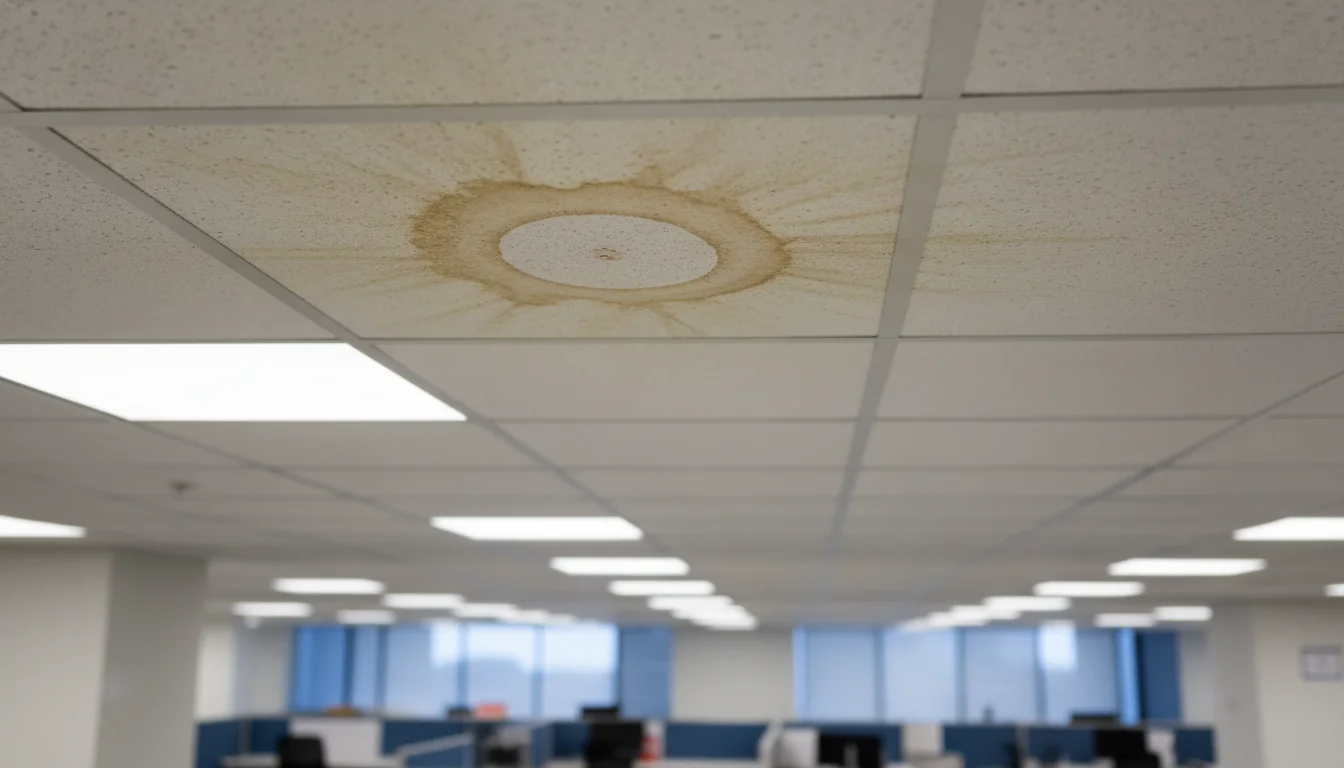
What actually makes the report admissible
Admissibility does not come from a single stamp. It grows out of the small, checkable facts that let a third party treat the report as reliable. In a commercial mold assessment, those facts are concrete.
- The license number on the page. A Florida MRSA assessor license identifies the licensed professional who stands behind the findings and can be called to explain them.
- The laboratory method, named. Direct microscopy for air and surface samples, and methods such as polarized light microscopy for bulk materials. The lab produces the counts, not the field technician’s impression.
- The indoor-versus-outdoor baseline. An indoor spore count means nothing without a same-day outdoor control, because there are always background spores in the air. The comparison is the finding.
- The chain of custody. A documented handoff from the site to the lab so no one can argue the samples were switched, contaminated, or attributed to the wrong property.
Each of those is a line an opposing expert would look for and fail to find in a weaker report. Together they are why a defensible assessment reads the same to the person who ordered it and the person trying to knock it down.
Post-remediation clearance: the use case even the CDC supports
The CDC does not recommend routine environmental sampling simply to confirm that mold you can already see is present. Its position is fair and worth stating plainly: if there is visible growth, the priority is to find and correct the moisture source and clean it up, and a lab test is not required to tell you that visible mold exists. A commercial mold program that ignored that point would be selling tests for their own sake.
Post-remediation clearance is the place the picture changes, and it is narrow on purpose. Once a remediation is complete, someone has to answer a different question: did the work actually return the space to a normal condition. That is a verification, not a hunt for visible mold, and it is exactly where independent testing earns its keep. A clearance assessment documents that the remediated area now reads at or below the outdoor baseline, on a specific date, in a report signed by an assessor who did not perform, quote, or profit from the removal. For a building owner reopening a leased floor, or a carrier closing out a claim, that is the document that says the matter is finished, and it holds because the person who wrote it had no stake in declaring the job done.
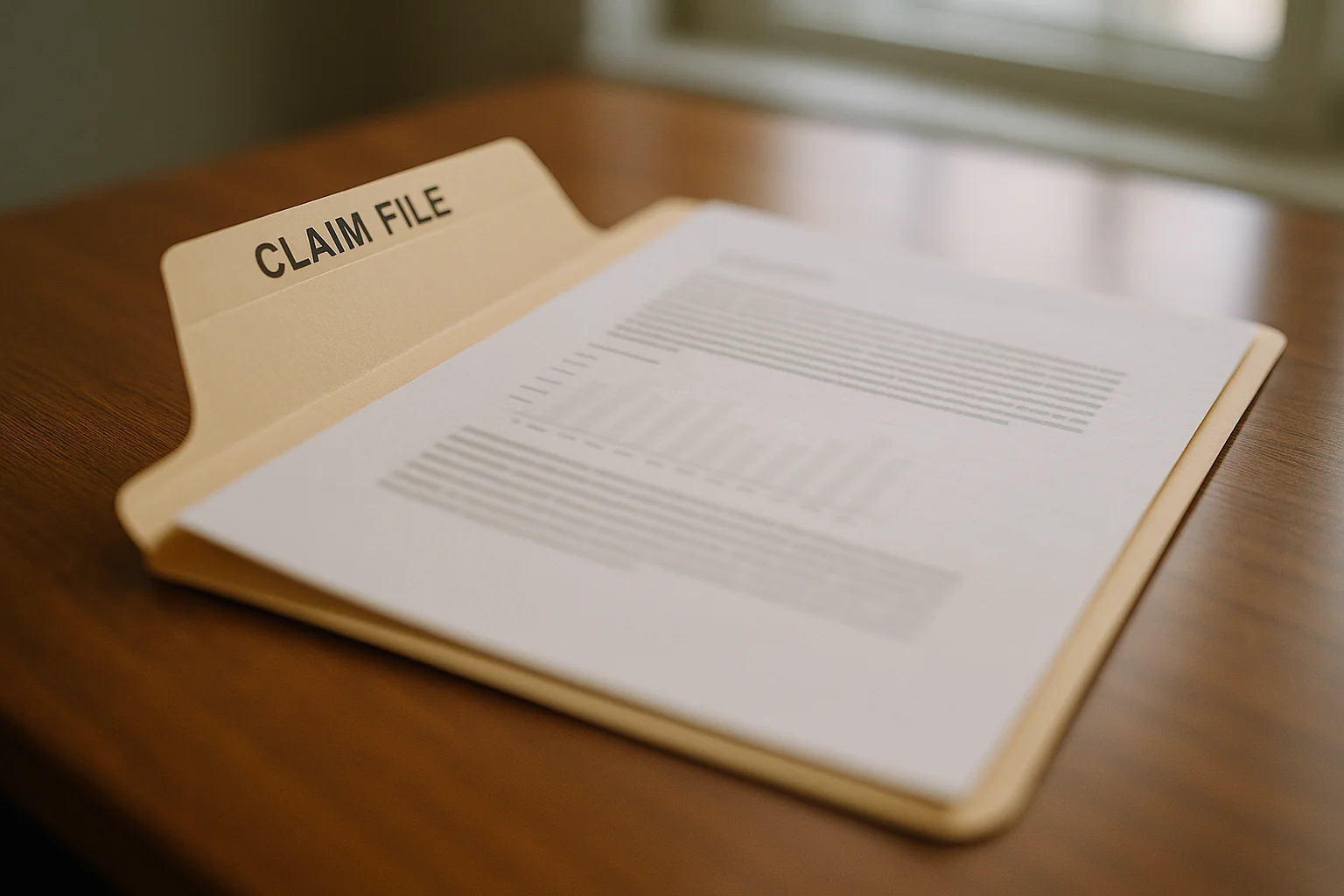
Miami makes all of this routine rather than rare. A humid climate, an aging stock of commercial and multifamily buildings, and a heavy season of storm-driven water intrusion mean mold claims here are frequent and often contested. The building that flooded, dried, and reopened will eventually face the question of whether it was ever truly clear, and the answer is only as strong as the independence of the firm that documented it. If you want the specific commercial service and coverage, AirMD’s mold testing in Miami page lays it out, and the commercial mold assessment hub explains how the independent model is structured for property managers, owners, and carriers.
Frequently asked questions
What makes a commercial mold report defensible?
A defensible commercial mold report states its scope and date, carries the assessor’s Florida MRSA license number, documents how and where samples were taken with a same-day outdoor control, reports accredited-laboratory results that name the analytical method, includes an unbroken chain of custody, and draws conclusions that follow from the data with the limits of the assessment stated. Independence sits underneath all of it: because the assessor is legally barred from remediating the property, the report carries no financial incentive to read one way, which is what lets a third party rely on it.
Can the assessor also remediate the property?
In Florida, no. Under Chapter 468, Part XVI, Florida Statute 468.8419 generally bars a firm that assesses a property from remediating that same property within twelve months, and a firm that remediated a property from assessing its own work in that window. AirMD assesses and tests only. It does not remediate. That separation is the point: the firm measuring the air, and the firm clearing the space after a cleanup, has no stake in the result.
When is post-remediation clearance testing needed?
Clearance testing is used after a remediation is complete, to verify that the treated area has returned to a normal condition before the space is reoccupied or a claim is closed. It answers a specific question, whether the work succeeded, rather than searching for visible mold, and it is most credible when performed by an independent assessor who did not carry out the remediation. Commercial owners reopening a space and insurance carriers closing a claim are the most common reasons a clearance assessment is ordered.
If a commercial mold assessment in Miami has to hold up when money or liability is on the line, start with an independent firm and keep the assessment separate from any removal. You can request a commercial assessment through AirMD’s Miami mold testing page, and you will receive a report built to be relied on, whichever way the data reads.