

AirMD, an independent environmental testing company established in 2007, provides asbestos surveys, sampling, and clearance testing nationwide. We do not perform abatement. That sentence is the whole point of the company, and it is worth pausing on before you hire anyone to look at a building you are responsible for. The firm that surveys a property for asbestos, and the firm that later certifies the air is clean, should have no financial stake in whether asbestos gets removed. When one company does both the testing and the removal, it is paid on the removal, and the test quietly becomes a sales lead. An independent tester is paid the same whether your samples come back positive or negative, which is why its report is the one a building owner, a general contractor, or an insurer can stand behind.
What an asbestos survey actually establishes
An asbestos survey is a measurement, not a repair. A trained inspector walks the property, identifies materials that are likely to contain asbestos, collects bulk samples of each suspect material, and sends them to an accredited laboratory. The lab determines whether each sample contains asbestos, which type, and at what percentage. You receive a written report: what was sampled, where, what the lab found, and which materials are cleared for the work you are planning. The report is the deliverable. Everything AirMD is paid to do ends when that document is in your hands.
People use several words for this, and they describe the same work. Asbestos testing, asbestos survey, asbestos inspection, and asbestos sampling all point at the same assessment: identify the suspect materials, sample them, get the lab result, write the report. There is one more term that matters and is different, and it comes at the other end of the job. Clearance testing is what confirms a space is safe to reoccupy after someone else has removed the material. AirMD does the survey and the clearance. It does not do the removal in between.
The one rule underneath all of it. The firm that tests should not be the firm that abates. Hold that rule while you read the rest of this, because every section below is a consequence of it.
When asbestos testing is required
You test before you disturb. Asbestos is dangerous when materials that contain it are cut, drilled, demolished, or otherwise broken up and the fibers go airborne. Intact material sitting undisturbed on a wall is a different situation from the same material in the path of a renovation crew. So the trigger for testing is not age alone, it is a planned disturbance of the building.
- Before a renovation. Any project that will cut into walls, ceilings, flooring, insulation, or roofing in an older structure needs to know what is in those materials first.
- Before a demolition. Tearing a building down releases whatever is in it. A pre-demolition survey establishes what has to be handled and how.
- In older buildings generally. Asbestos was used across a wide range of construction materials for much of the twentieth century: pipe insulation, floor tile and the mastic under it, ceiling texture, roofing, joint compound, and more. If the building predates the material’s decline in construction, suspect materials are presumed until a survey says otherwise.
- After damage. A fire, a flood, or a storm that breaks up building materials can disturb asbestos that was safely contained, which changes it from a documentation question into an exposure question.
Why this is not optional
Federal rules make a survey a precondition, not a courtesy. The EPA’s asbestos NESHAP rule requires a thorough inspection for asbestos before many renovations and demolitions of regulated buildings, the AHERA framework sets accredited-inspector and clearance standards, and OSHA rules govern worker exposure the moment suspect material is disturbed. Confirm the exact citation and scope for your building and jurisdiction before relying on any one of them: the general principle is stable, the specifics are not something to guess at.
For a commercial reader, the compliance point is the whole point. Starting demolition or a gut renovation without a survey is the liability event, because once suspect material is disturbed you cannot un-disturb it, and the paper trail that would have protected you does not exist yet. The survey is cheap insurance against a problem that is expensive and public.
Survey, sampling, clearance, and abatement: four different things
These words get used loosely, and the difference is exactly where independence lives. Three of them are testing and assessment. One of them is the removal work. AirMD does the three, and never the fourth.
- The survey identifies suspect materials across the property and maps where they are.
- Sampling collects physical pieces of each suspect material for the lab to analyze, so the answer is a lab result and not a guess.
- Clearance testing comes after removal. Once an abatement contractor has finished, an independent party inspects the area and takes air samples to confirm the fiber count is back to a safe level before anyone reoccupies the space.
- Abatement is the physical removal, encapsulation, or enclosure of the asbestos. It is skilled, licensed work, and it is a separate trade.
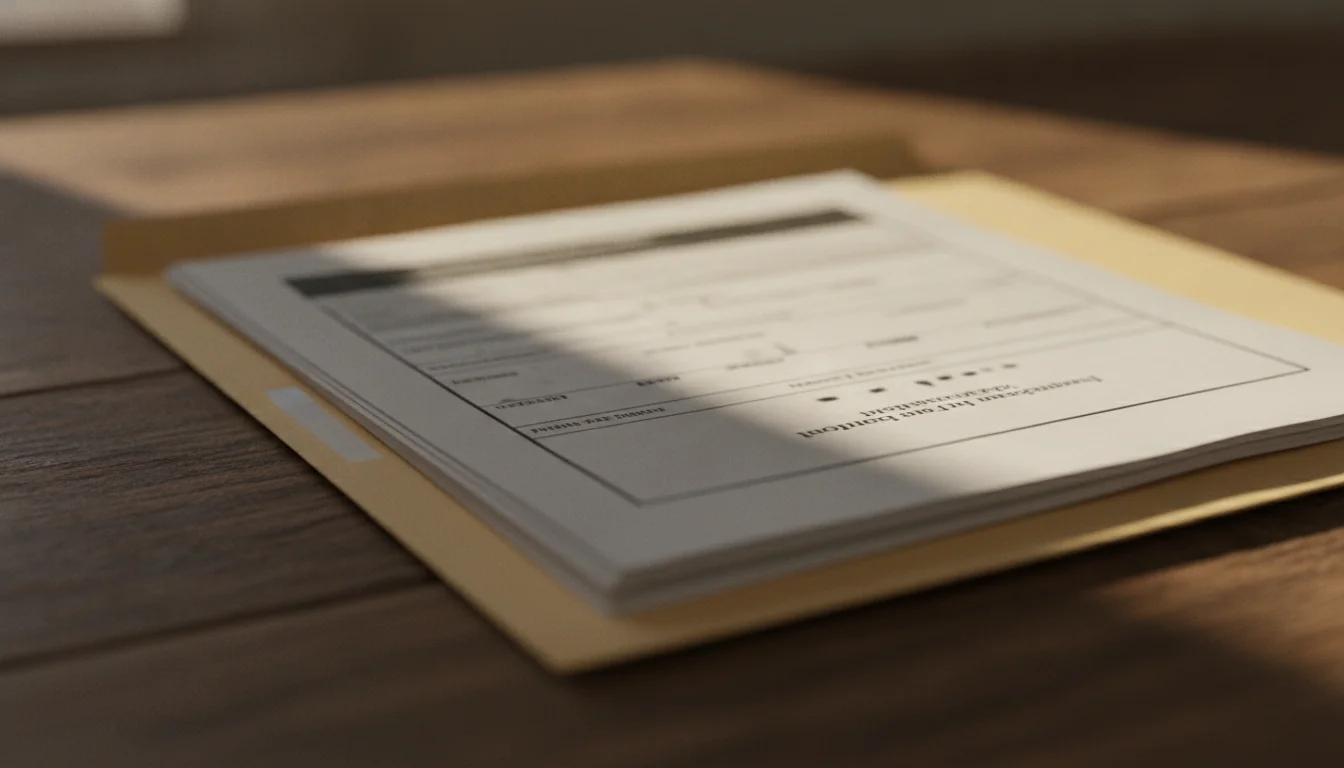
An asbestos survey is not a cleanup. It is a record. That distinction is why the same firm cannot honestly do both ends of the job. When the company that finds the asbestos is also the company that gets paid to remove it, the survey is standing directly next to its own sales pitch. When the company that certifies the air is clean is the same company that did the removal, it is grading its own homework. Neither arrangement is illegal everywhere, and plenty of firms run exactly that way. It is simply a conflict, and you can decline to buy into it.
The conflict model versus the independent model
Read what the separation removes from the room. A firm that both tests and removes asbestos makes its margin on the removal. That gives it a reason to find asbestos on the way in, and a reason to sign off quickly on the way out. AirMD cannot remove anything, so it earns the same fee whether your samples are positive or negative, and its clearance sign-off is always on work another company performed. The incentive that bends a report simply is not present.
| The conflict model | The independent model |
|---|---|
| One firm surveys, removes, and clears | The tester surveys and clears; a separate contractor removes |
| Revenue depends on the removal happening | Revenue is the same whether the result is positive or clean |
| The survey is a lead for the abatement bid | The survey is the deliverable |
| The remover certifies its own clearance | Clearance is certified by a party with no stake in the removal |
The company that says the job is done should be the one company with no reason to say it.
This matters most at clearance, and clearance is where money and liability concentrate. A tenant is waiting to move back in. A closing is scheduled. A crew is booked for the next phase. The pressure to say “the air is fine” is real, and it lands hardest on the party that will not get paid until the job is signed off. Put clearance in independent hands and that pressure has nowhere to attach.
What makes an asbestos report defensible
A report is only worth what it can withstand when someone challenges it. For a commercial owner, an insurer, or a contractor, that challenge can come in a claim, a transaction, or litigation. Three things determine whether the report holds.
- Accredited lab method. Bulk samples are analyzed by polarized light microscopy, the standard method for identifying asbestos in materials. Air-clearance samples are analyzed by transmission electron microscopy, which counts fibers at a resolution the naked eye and lighter methods cannot reach. The analysis happens in an accredited laboratory, not on the tailgate of a truck.
- Qualified inspectors and analysts. The person collecting the samples and the lab reading them carry the accreditations their role requires, and those credentials appear in the report. A name and a license number are harder to argue with than an opinion.
- Chain of custody. Every sample is logged from the moment it is collected to the moment the lab receives it, so no one can question whether the sample that was tested is the sample that came from your building. A break in that chain is the first thing an opposing expert looks for.
A clean survey is a real result, and a valuable one. If the lab clears your materials, the renovation proceeds on schedule with documentation that it was checked, and you paid for certainty rather than for a removal you did not need. A firm that had nothing to sell you either way is the firm whose “you are clear” carries the same weight as its “you have a problem.” That symmetry is the entire reason the independent model exists.
Finding independent asbestos testing where you are
Asbestos rules and enforcement vary by state and by county, and the search that brings most people here is a local one: asbestos testing near me. The right local answer is still the independent one. AirMD provides asbestos survey, sampling, and clearance testing nationwide, and coordinates the testing side of a project while a separate licensed contractor handles any removal. For commercial buildings, the commercial services page lays out how the testing-only model fits property managers, owners, and insurers.
Where a market has its own regulatory profile, the local page carries the detail. In Florida, for example, the older commercial and multifamily stock in Miami and Jacksonville makes pre-renovation surveys a routine part of doing business, and each area page covers the local requirements and how AirMD serves them. If your city is not listed there, the same testing-only model applies wherever the building is: the tester and the remover should be two different companies.
One honest note on timing. This page competes nationally, against national laboratories and directories, so it earns its position slowly. That is a different game from a local listing, and worth saying plainly rather than dressing up. The value here is the standard it sets, and the local page it points you to for the work itself.
Frequently asked questions
When is asbestos testing required?
Testing is required before you disturb suspect material. In practice that means before a renovation or a demolition of an older building, and after damage that breaks up building materials. Federal rules, including the EPA’s asbestos NESHAP requirements, call for a thorough inspection before many renovation and demolition projects on regulated buildings, and OSHA rules govern worker exposure once material is disturbed. The exact requirement depends on the building and the jurisdiction, so confirm the specific rule that applies before work begins. The safe default is simple: survey before you cut.
Can the company that tests asbestos also remove it?
They can, and many firms do, but it is a conflict of interest you can avoid. A company that both tests and removes asbestos is paid on the removal, which gives it a reason to find asbestos going in and to sign off its own work coming out. AirMD performs survey, sampling, and clearance testing only. It does not perform abatement. That separation keeps the party measuring your building from having a financial stake in what the measurement says, and it keeps clearance in the hands of someone who did not do the removal.
What is asbestos clearance testing?
Clearance testing is the check performed after an abatement contractor has removed or contained asbestos, to confirm the area is safe to reoccupy. An independent party inspects the work and collects air samples, which an accredited lab analyzes by transmission electron microscopy to confirm the airborne fiber count is back to a safe level. Because AirMD does not perform the removal, its clearance certifies another company’s work rather than its own, which is what makes the sign-off meaningful.
How do I find independent asbestos testing near me?
Look for a firm that tests and clears but does not abate, and confirm that its lab is accredited and that the report includes chain of custody and the analysts’ credentials. AirMD provides independent asbestos survey, sampling, and clearance testing nationwide and lists the areas it serves by state and city, so you can start from the page for your location. The one rule to carry into any search is that the company testing for asbestos and the company removing it should be two different companies.
If you are planning a renovation, a demolition, or a purchase of an older commercial property, start with the survey and keep the testing independent. You can request asbestos testing through the asbestos testing service page, and you will get a report you can act on and defend, whichever way the samples read.