


The air conditioning in your Miami home runs almost every day of the year, and it is the one thing standing between you and the humidity outside. So when a closet on an outside wall starts to smell, or a brown ring appears on a ceiling, or you notice you breathe easier the week you spend out of town, you start to wonder what is growing behind the walls. You look it up, and the internet hands you reassurance and panic in the same afternoon. What you want is one honest answer from someone with no reason to shade it. A company that removes mold is paid when it finds some, so to that company the inspection is the start of a sale. A company that only tests is paid the same whether your result comes back clean or alarming, and that difference is the whole reason its answer is worth trusting.

What a Miami mold inspection actually tells you
A mold inspection in Miami is a measurement, not a repair. A licensed mold assessor walks the property, finds where moisture is getting in or condensing, and collects air and surface samples that go to an accredited laboratory. The lab identifies which molds are present, counts the spores, and compares the readings inside your home against an outdoor sample taken the same day. What you get back is a written report: what is in your air, how much of it, how that compares to the air outside your door, and where the moisture feeding it is coming from.
Inspection, testing, assessment, inspector. People search all of these, and they describe the same job. Find the moisture, sample the air and surfaces, get the lab result, put it in writing. AirMD tests and assesses. It does not remove or remediate mold. That is not a policy the company chose for itself. Florida law requires the separation, and why that matters to you is the rest of this guide.
The report is the product. Everything an independent assessor is paid to do is finished when the findings are in your hands. There is no cleanup to quote afterward, which is the whole idea.
Why mold in Miami is a probability
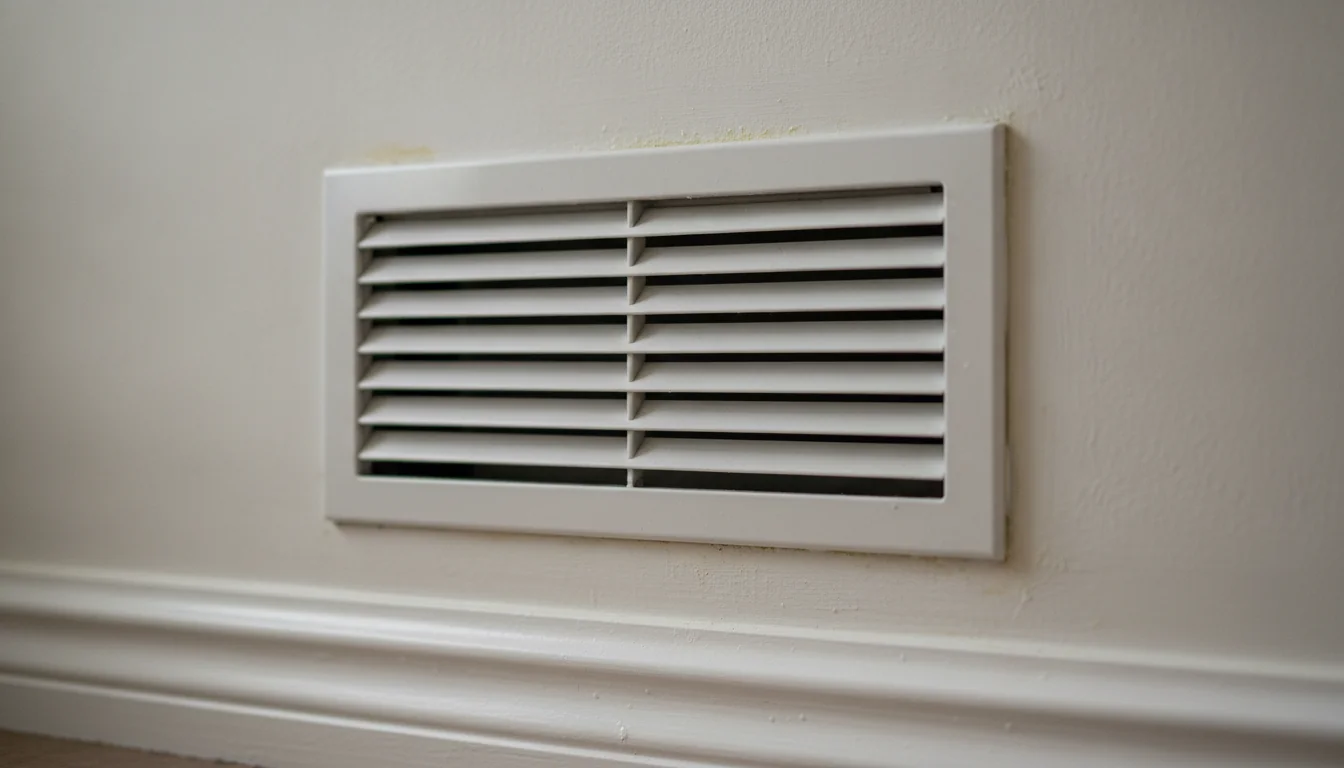
If you own or rent in Miami-Dade, mold is not a possibility. It is a probability. The reason is the climate you already live in. South Florida air stays warm and wet almost the whole year, and the air conditioning that keeps your home comfortable also creates cold surfaces where that wet air condenses: the back of a closet on an exterior wall, the drywall behind a vanity, the boot of a duct above the ceiling. Growth begins in those quiet spots without a dramatic leak to announce it.
A single water event speeds it up. A supply line that wept behind a Brickell condo wall, a slab that took on water in a storm, a unit that sat closed through a humid summer between tenants. Mold can begin to colonize damp material within 24 to 48 hours, and a leak that was dried slowly months ago has had all that time to spread behind a surface you cannot see. That does not mean it did, only that the sole way to know is to measure.
The Away-From-Home Test
Here is a check that costs you nothing. If the congestion, the headaches, or the throat irritation ease when you leave town for a few days and come back the moment you walk through your door, that pattern points at the building rather than the season or an allergy you carry with you everywhere. That is not proof of a problem, only a reason to measure.
Why Florida law separates the assessor from the remediator
The short answer is this: in Florida, the company that tests your mold is kept legally separate from the company that removes it, so the person measuring your air has no financial stake in what the measurement says.
The Twelve-Month Bar
Florida licenses mold assessors under Chapter 468, Part XVI. Florida Statute 468.8414 sets the licensure requirement that a licensed mold assessor perform the assessment. Florida Statute 468.8419 adds the twelve-month bar: a firm that assesses a property generally cannot also remediate that same property, and a firm that remediated a property cannot then assess its own work, within a twelve-month window. It is a licensing rule, and it has a statute number.
In Miami, mold isn’t the question. Who has a financial reason to find it, or not, is.
Look at what that separation removes from the room. A company that both tests and removes mold makes its money on the removal, so the inspection is the door to the sale. This is why so many Miami mold inspections are advertised as free. To a firm that removes mold, the inspection is a way to find customers, and a free look is a cheap way to do it. An assessor barred by law from remediating has nothing to sell you after the report. You pay for the measurement, and the measurement is all there is.
| The conflicted model | The independent model |
|---|---|
| One firm tests and removes | The assessor tests; a separate firm removes |
| Revenue depends on finding a problem | Revenue is the same whether the result is high or clean |
| A free inspection is a way to sell a cleanup | The paid report is the entire deliverable |
| No independent check on the removal | Post-remediation testing is done by someone who did not do the work |
What a mold test actually measures
A Miami mold assessment is a measurement process, and none of it involves removing anything. Here is what the assessor does on site.
- Moisture and visual survey. The assessor looks for staining and growth and uses moisture meters, and sometimes an infrared camera, to find damp materials behind surfaces. In Florida the moisture usually tells the story before the mold does.
- Air sampling. Spore-trap samples pull a measured volume of air onto a slide. An outdoor control sample is taken the same day, because an indoor number only means something against the air just outside.
- Surface sampling. Tape lifts or swabs from suspect spots confirm whether a stain is mold and what kind.
- Laboratory analysis. An accredited lab identifies and counts what the samples caught, using direct microscopy and, for bulk materials, methods such as polarized light microscopy. The lab produces the numbers, not a salesperson.
Testing earns its keep even when you can already see growth. Seeing mold tells you it is present. It does not tell you the species or the concentration, and you cannot judge either by eye, because some spores are always in the air. The CDC makes a narrow and fair point here: you do not need a lab test simply to confirm that mold you can already see is there, and you should find and fix the moisture either way. What that leaves out is the part you act on. A real estate transaction, an insurance claim, or clearance after a cleanup needs the type, the concentration, and the indoor-versus-outdoor comparison in writing, and only the lab supplies that. Testing also does its clearest work where the mold is hidden behind a wall you cannot open, which in a humid market like Miami is usually where it starts.
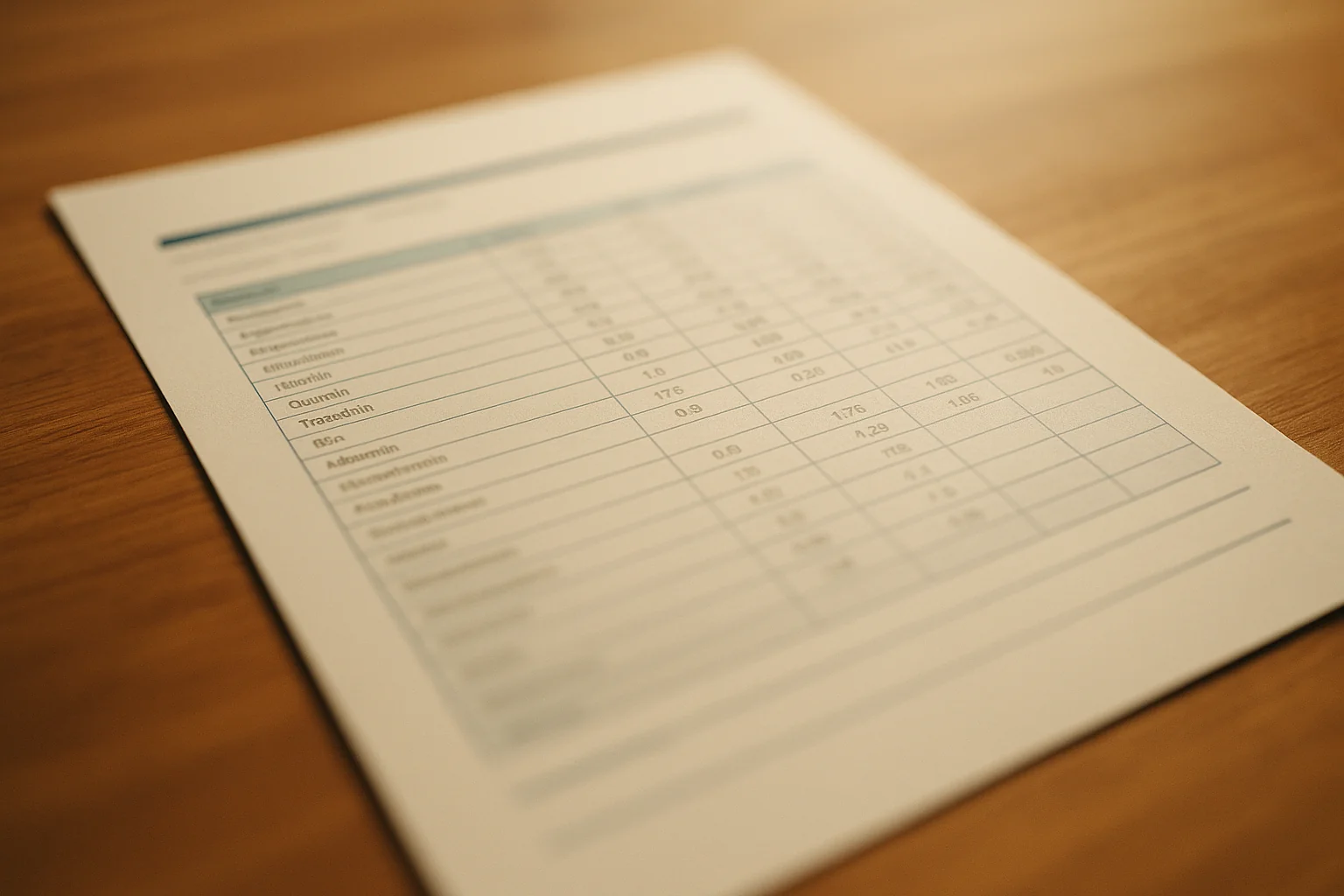
What comes back to you is a report with the spore types, the indoor and outdoor counts, the moisture findings, and a plain reading of what it all means. If the evidence supports remediation, the report documents the case for it. The removal itself is a separate company’s job, by law and by design.
Selling, buying, or filing a claim in Miami
Most honest reasons to test a Miami home come down to a decision or a document that depends on the answer. When you sell, Florida requires you to disclose known material defects, and an “as-is” listing does not erase that duty. An independent assessment gives you a dated, written record of the home’s condition rather than a guess in a conversation. Buyers use the same report to make an informed offer. And after water damage, an insurance adjuster wants documentation from a party that does not profit from the size of the claim, which is exactly what an independent test is.
Condos and high-rises add a layer of their own. A leak in the unit above yours, a shared wall, an association that is slow to act. A dated assessment tied to your specific unit gives you something concrete to bring to the board, the seller, or the carrier. If you want the service and coverage for the area, AirMD’s mold testing in Miami page lays it out, and the broader mold testing service page explains the method in more depth.
What if the test finds nothing?
A clean report is a real result, and it is worth what you paid for it. It documents your air on a specific date, rules out a hidden active source behind the wall you were worried about, and gives a buyer or a seller something in writing to stand on. If your symptoms were pointing at the building, a clean result tells you to look elsewhere, which is its own kind of relief.
An independent assessor is paid the same whether your result is alarming or boring. That is the entire reason the model is built the way it is. When there is nothing to sell you afterward, “you are fine” carries as much weight as “you have a problem,” and you can trust both.
Frequently asked questions
Is mold common in Miami homes?
Yes. Miami-Dade’s warm, humid climate keeps indoor air wet most of the year, and air conditioning creates cold surfaces where that moisture condenses, so the conditions mold needs are present in most Miami homes for months at a time. That does not mean every home has an active problem, only that the risk is high enough that measuring is the reliable way to know. A test tells you whether growth is actually present, what type it is, and at what concentration compared to the air outside.
Can the same company test and remove mold in Florida?
In Florida, no. Under the licensing rules in Chapter 468, Part XVI, a firm that assesses a property is generally barred from remediating that same property within twelve months, and the reverse holds too. AirMD assesses and tests only. It does not remediate. The separation is the point: the company measuring your air has no financial stake in whether you need a cleanup, so a free inspection offered as a lead into a removal job is exactly the arrangement the law keeps apart.
What does a Miami mold test detect?
A mold test identifies the mold types present in your home, counts the spores in the air, and compares those indoor counts against an outdoor sample taken the same day. Surface samples confirm whether a stain is mold and what kind, and a moisture survey finds the damp materials feeding any growth, often behind walls where you cannot see it. The lab result and the moisture findings together tell you whether you have a problem, how significant it is, and where it is coming from.
If you are weighing a mold inspection in Miami, start with the measurement and keep it independent. You can request an assessment through the Miami mold testing page, and you will get a report you can act on, whichever way it reads.