


AirMD is an independent environmental testing company established in 2007, and for a Miami property it does three things with asbestos: it surveys the building, it samples suspect materials for laboratory analysis, and it performs clearance testing once an abatement is finished. It does not perform the abatement. That separation is the whole value of the report. The firm that removes asbestos is paid to remove it, so it has a reason to find asbestos on the way in and a reason to call the removal complete on the way out. A testing-only firm is paid the same whether the sample comes back positive or negative, which is what makes its finding one you can put in a file and defend.
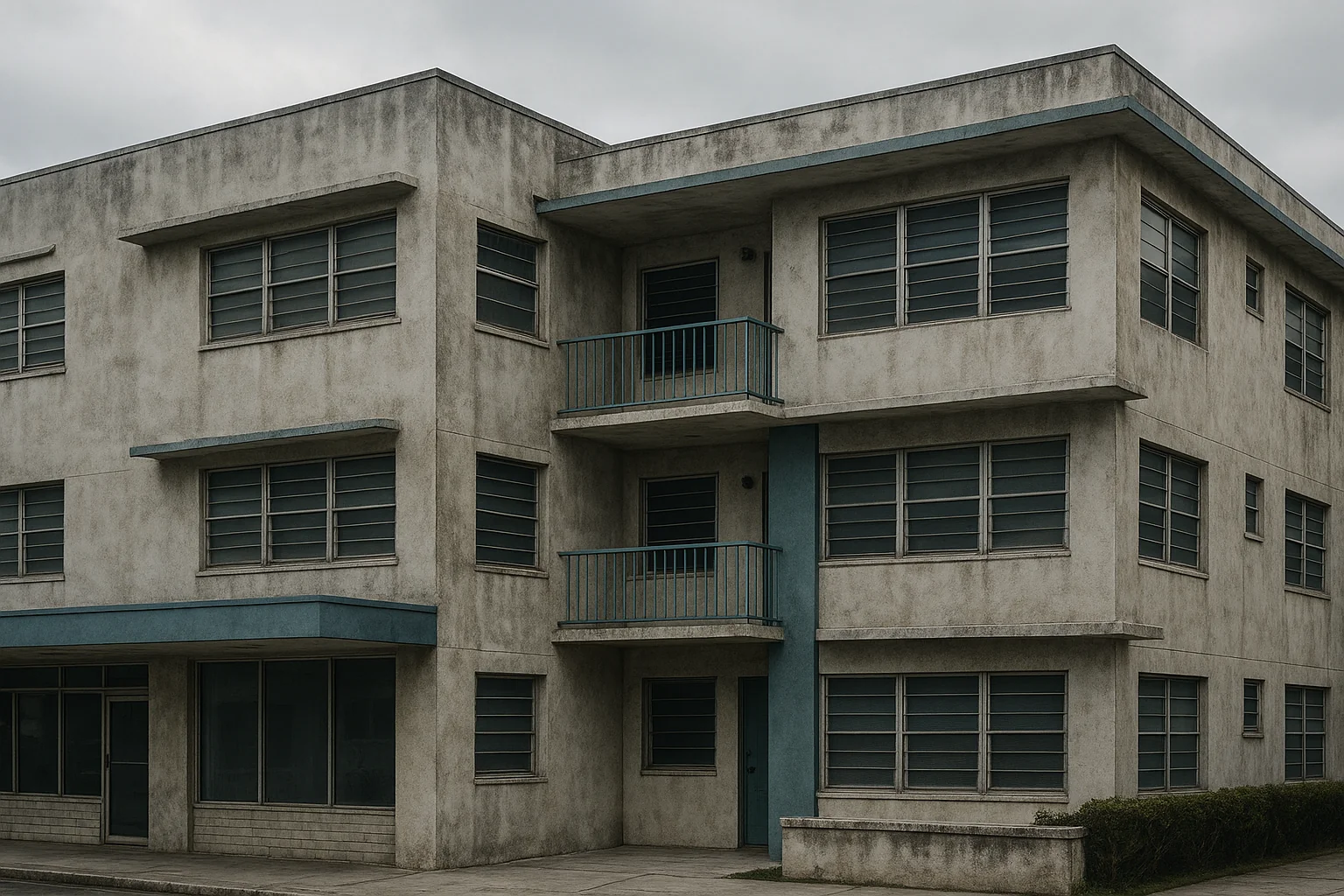
What an asbestos survey establishes for a Miami property
An asbestos survey is an inspection and a set of laboratory results, not a repair. A licensed asbestos consultant walks the building, identifies materials likely to contain asbestos, collects samples of each suspect material, and sends them to an accredited laboratory. The lab determines whether asbestos is present, which type, and in what percentage. You receive a written report that names each material, its location, its condition, and whether it is asbestos-containing. On that report a property manager, an owner, or an insurer can make a decision, and if work goes forward, hand a defensible document to a contractor, a regulator, or a court.
Several words describe parts of this work, and they connect. A survey or inspection identifies the suspect materials. Sampling is the physical collection sent to the lab. Testing is the laboratory analysis. Clearance testing is the separate check performed after an abatement to confirm the air is clean. AirMD does the survey, the sampling, the testing, and the clearance. The abatement between them belongs to a different company, by design.
The report is the product. Everything AirMD is paid to do ends when the findings are in your hands.
When is asbestos testing required in Miami?
The short answer: before you renovate or demolish, and any time the age of the building makes asbestos likely. The federal rules treat the work as the trigger, not the calendar.
The federal Asbestos NESHAP requires a thorough inspection for asbestos-containing material before a renovation or demolition of a regulated facility, and it requires advance notification before the work begins. In Florida the program runs through the Florida Department of Environmental Protection, and in Miami-Dade County local air-quality enforcement and notification run through the county environmental agency known as DERM. Between the federal rule, the state agency, and the county, the expectation is the same: know what is in the building before anyone disturbs it.
Before You Renovate or Demolish
A survey is expected before the work, not after. Disturbing asbestos-containing material without knowing it is there is how fibers reach the air, and it is what the inspection and notification rules are written to prevent. Test first, then plan the work around the result.
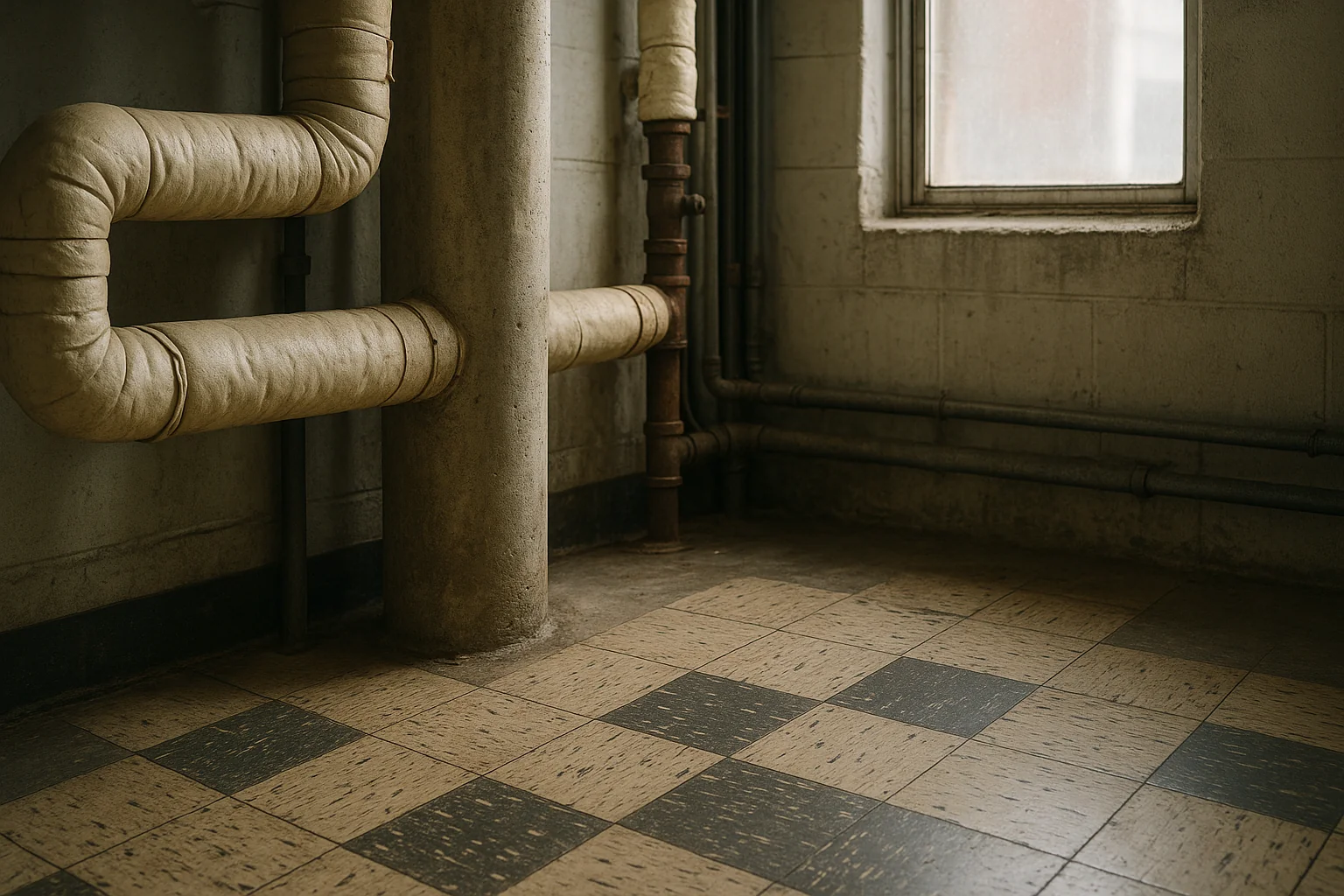
Age is the other trigger. Asbestos was used heavily in construction materials through the 1970s, so buildings put up before the 1980s are the most likely to contain it. Much of Miami’s older commercial and multifamily stock sits in that range. Floor tile and the mastic under it, pipe and boiler insulation, roofing and siding, ceiling texture, and joint compound are the common places it turns up. You cannot tell by looking. Only a laboratory can confirm whether a material is asbestos-containing.
Survey, sampling, clearance, and abatement are four different jobs
These words get used loosely, and the difference between them is the difference between testing and removal.
- Survey or inspection. Identifying the materials that may contain asbestos and where they are.
- Sampling. Physically collecting pieces of those materials for the laboratory.
- Testing. The laboratory analysis that confirms whether asbestos is present, its type, and its percentage.
- Clearance testing. The visual and air check after an abatement, confirming the space is safe to reoccupy.
- Abatement. The physical removal, encapsulation, or enclosure of the asbestos.
AirMD performs the survey, the sampling, the testing, and the clearance. It does not perform the abatement. An independent test is not a formality. It is the one document in the file with no incentive behind it.
Florida licenses the assessment and the removal as separate trades. Asbestos consultants, who survey, design, and monitor, hold a different license from asbestos contractors, who abate. Keeping the two in separate hands is a question of incentive. The firm paid to remove asbestos has a reason to find it going in and a reason to call the job done coming out, so the party that assesses and clears should be one with no removal invoice riding on the answer.
The conflict model versus the independent model
Read what the separation removes from the room. A firm that both tests and abates makes its money on the abatement. The survey is the door to that sale, and the clearance test at the end is that same firm grading its own work. When the company that decides whether asbestos is present is the company paid to remove it, the incentive runs one direction going in and the other coming out.
| The conflicted model | The independent model |
|---|---|
| One firm tests and abates | A consultant tests and clears; a separate contractor abates |
| Revenue depends on finding and removing asbestos | Revenue is the same whether the sample is positive or negative |
| The survey is a sales lead | The survey is the deliverable |
| The abatement firm clears its own work | Clearance is done by a firm that did not do the removal |
The firm clearing your air after abatement should be the one company with no reason to say the job is done before it is.
What makes an asbestos report hold up
For a property manager building a liability file or an insurer weighing a claim, the report is only as good as the method behind it. A few things separate a defensible report from a piece of paper.
- A licensed consultant. In Florida the survey and the clearance are performed by a licensed asbestos consultant, and the license number belongs on the report.
- Accredited laboratory analysis. Bulk samples are identified by standard laboratory methods such as polarized light microscopy, and air-clearance samples by standard air-analysis methods. The lab produces the numbers, not the salesperson.
- Chain of custody. Every sample is logged from collection to lab, so a result can be tied to a specific material, location, and date.
- Independent clearance. The post-abatement clearance is run by a firm that did not perform the removal, so the sign-off carries weight.
Those four together are what let a report survive a renovation dispute, an insurance review, or a demolition filing. A survey done to check a box does not. If you want the specific service and coverage for the area, AirMD’s asbestos testing in Miami page lays it out, the asbestos testing service page covers the method, and post-remediation clearance testing has its own page. For managers and owners handling a portfolio, the commercial services hub collects the rest.
Frequently asked questions
When is asbestos testing required in Miami?
Testing is expected before a renovation or a demolition, and any time a building’s age makes asbestos likely. The federal Asbestos NESHAP requires a thorough inspection for asbestos-containing material before renovation or demolition of a regulated facility, along with advance notification of the work. In Miami-Dade, that notification and local enforcement run through the county environmental agency, DERM, with the state program under the Florida Department of Environmental Protection. Buildings constructed before the 1980s are the most likely to contain asbestos, so age alone is often reason enough to test before disturbing suspect materials.
Can the company that tests asbestos also remove it?
You do not want it to. A firm that both tests and abates profits from the removal, which gives it a reason to find asbestos going in and to call the job complete coming out. Florida licenses asbestos consultants, who survey and clear, separately from asbestos contractors, who abate, and AirMD stays on the testing side of that line. AirMD tests, samples, and performs clearance. It does not abate. The firm measuring your air is paid the same whichever way the result reads.
What is asbestos clearance testing?
Clearance testing is the check performed after an abatement is finished, to confirm the space is safe to reoccupy. A licensed consultant inspects the work area and collects air samples, which a laboratory analyzes to confirm airborne fiber levels are below the clearance standard. Because the clearance is what tells everyone the removal actually worked, it carries the most weight when the firm running it did not perform the removal. AirMD performs independent clearance testing for exactly that reason.