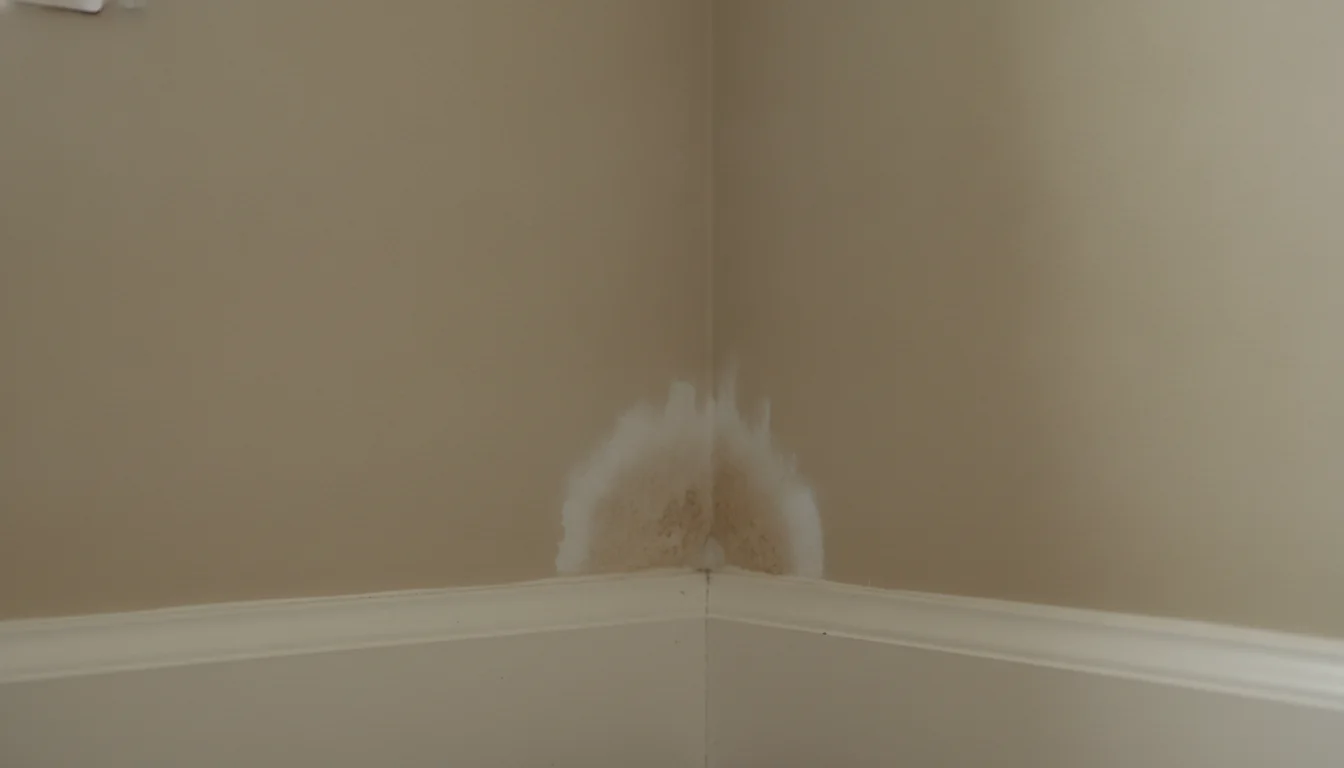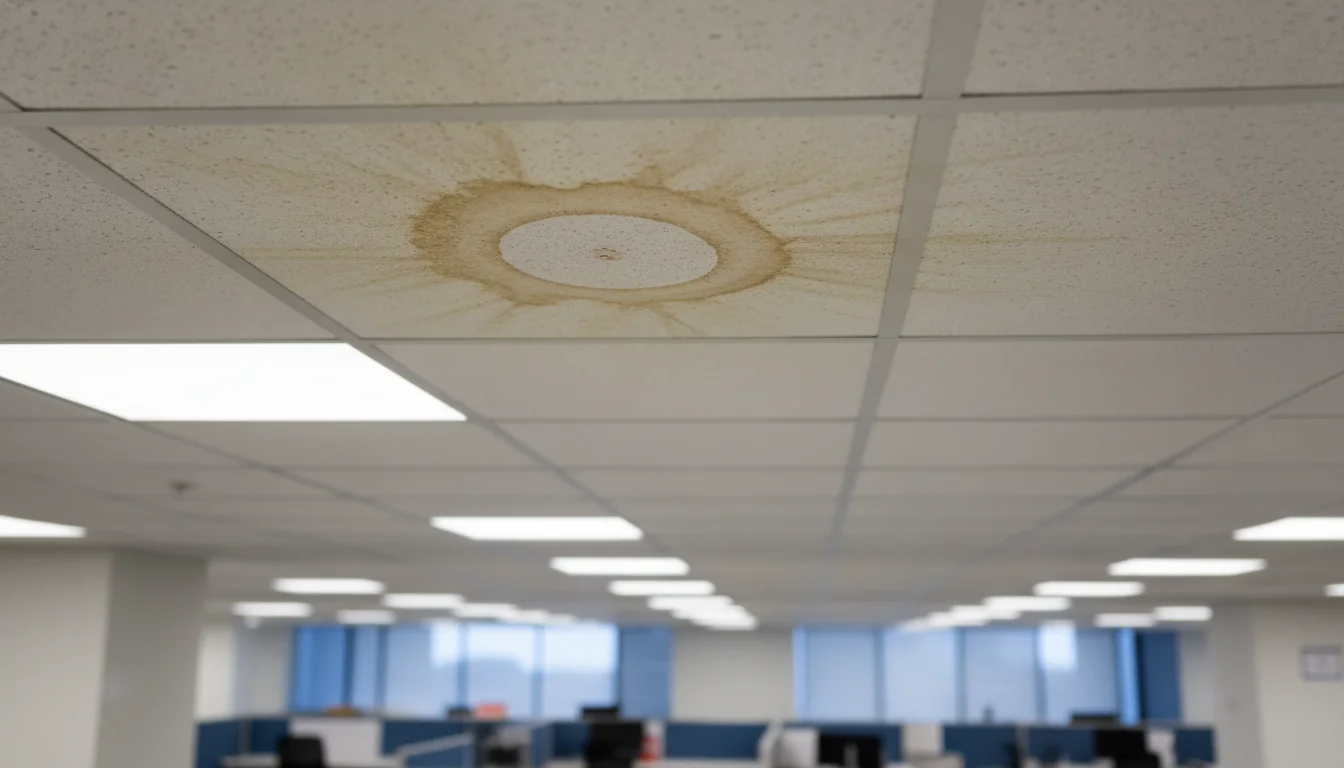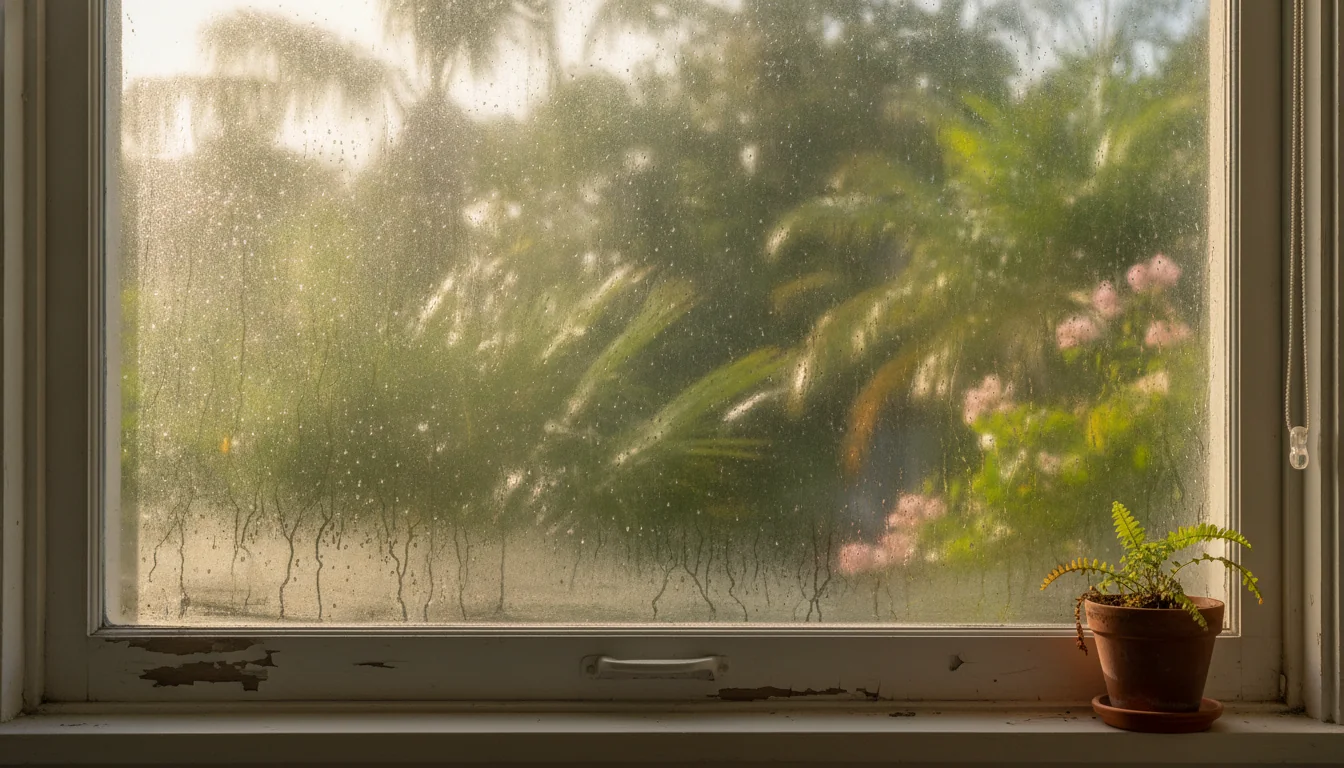

Chemical hazards include volatile organic compounds (VOCs), chemicals and solvents that create inhalation and skin contact risks. Heavy metals and toxic substances require specialized sampling and analysis while pesticides and agricultural chemicals demand expertise in complex exposure pathways. Biological hazards include airborne pathogens and infectious agents in healthcare environments, plus mold and bacterial contamination in industrial settings. Particulate hazards involve asbestos and mineral fibers that create serious long-term health risks, silica dust and metal particles from manufacturing operations, and combustion products and fumes from industrial processes. Each hazard type requires specific monitoring protocols, sampling methods, and analytical techniques to accurately assess worker exposure levels.
Get your Free Ebook
Get expert insights download the E-Book now!
Gain practical tips, proven strategies, and industry knowledge—all packed into one powerful resource.

Testimonials
"AirMD's radon testing revealed dangerous levels in our basement where the kids play. Professional service, clear results, and they explained everything perfectly. Now we know our family is safe! "

Sarah Michel
Homeowner
"I was in the process of leasing a new commercial space, my broker had recommended air quality testing would be a good idea during the inspection period. I had a short time frame to work with. AirMD was able to get out to the property the same day and deliver results 3 days after. "

Wade Warren
Business Owner